

Rochester Hills Therapy | Structured Support for Change
You can be functioning well and still feel off inside. Stress feels harder to manage. The same thoughts, reactions, or conflicts keep showing up, even when you try to handle them differently.
When effort alone stops creating change, it’s often because the pattern underneath hasn’t shifted.
Eon Therapy offers a structured way to work with what’s driving those reactions, focusing on how they form and how they can change in real time here in Rochester Hills, MI.

What Therapy Focuses On
Therapy focuses on how you respond when pressure builds, how you interpret your experiences, and how you relate to yourself in moments that feel unsettled or difficult to manage.
According to a study, it can help people recognize negative thought patterns and learn healthier ways to cope with stress and anxiety.
Rather than concentrating only on symptoms or revisiting the past, the work looks at how patterns operate in the present. This includes noticing how thinking narrows under stress, how emotions either intensify or shut down, and how certain reactions repeat even when they no longer help.
By paying attention to these patterns as they appear, therapy supports the development of more intentional responses over time. The goal is not constant self-monitoring, but greater steadiness and flexibility when challenges arise.
These concerns often overlap rather than exist on their own. Therapy focuses on understanding how they connect and reinforce one another, helping people work through the mental and relational patterns that keep them from moving forward.

Concerns Addressed in Therapy
People often seek therapy when they feel stuck, stagnant, or unsure how to move forward. This may show up as internal tension, relational strain, or a growing sense that effort alone is no longer producing change.
Common situations include:
Ongoing stress: Persistent pressure that affects focus, sleep, or physical well-being, even when life circumstances have not dramatically changed.
Persistent anxiety: A sense of unease or mental noise that is difficult to settle, despite reassurance or attempts to think it through.
Low mood or emotional heaviness: Feeling flat, unmotivated, or weighed down without a clear reason, and unsure how to regain momentum.
Difficulty setting boundaries: Struggling to assert needs, say no, or maintain a sense of self in relationships.
Repeating relationship challenges: Cycles of miscommunication, defensiveness, or silence that leave people feeling unheard or disconnected.
Questions of direction or purpose: Uncertainty about identity, values, or next steps, often accompanied by a sense of aimlessness.
Available Therapy Services
Eon Therapy offers counseling for individuals and couples seeking clearer, more stable ways of responding to life and relationships.

Premarital Counseling
Premarital counseling supports couples who want to be intentional before long-term commitments take shape. The focus is on how each partner responds to stress, makes decisions, and handles conflict when pressure is present. This work helps clarify strengths, surface potential friction points, and create a practical framework for navigating challenges together.

Individual Therapy
Individual therapy is suited for people who feel stuck, unsettled, or out of alignment with the life they want to be living. The work focuses on how you respond under pressure and how emotional and thinking patterns repeat. The emphasis is on meaningful, lasting change rather than short-term relief.

Couples Therapy
Couples therapy supports partners experiencing conflict, disconnection, or communication breakdowns. Conflict is treated as information about the relationship, not something to avoid.
The focus is on identifying repeating interaction patterns and changing how the relationship responds when tension rises, making repair and connection more consistent over time.
How I Approach the Work

My approach is focused and intentional. I pay attention to what is actually driving your experience when things start to feel tense or overwhelming, not just the symptoms that show up on the surface.
Rather than trying to calm reactions after they happen, the work looks at how those reactions form in the moment. When you understand what takes over under stress and learn to respond differently, familiar patterns stop running the show.
I don’t work from a single formula. I pay attention to how you make sense of situations, how you take responsibility for your choices, and how you orient yourself when tension is present. This keeps the work grounded in your real life, not a preset method.
The goal is to help you relate to yourself in a steadier way, even when circumstances are demanding.
Who I Work With
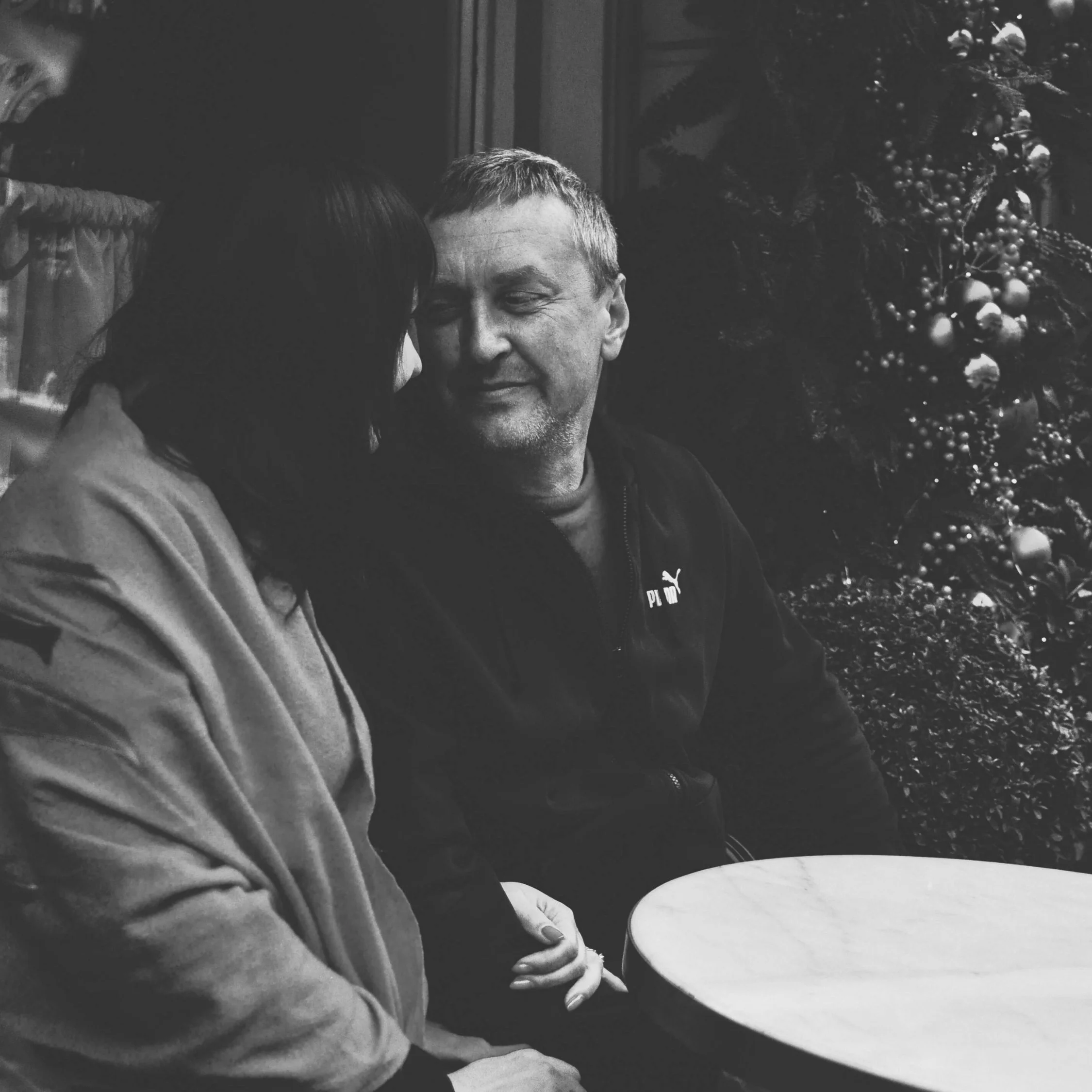
This therapy is designed for adults, couples, and families who are choosing to engage intentionally, not looking for quick reassurance or surface-level conversation. It is best suited for people who function well in many areas of life but feel stuck, strained, or uncertain beneath the surface.
This work may be a good fit if you are:
An individual adult: You want to understand how your emotional and thinking patterns operate under stress and change how you respond when pressure builds.
Couples: You are experiencing repeated conflict, emotional distance, or communication breakdowns and want to change how the relationship functions, not just reduce arguments.
Families: Ongoing tension, miscommunication, or unresolved roles are affecting how family members relate and respond to one another.
Navigating a transition: Career shifts, relationship changes, parenting demands, or shifts in responsibility are surfacing deeper issues.
Seeking structured, focused work: You prefer clarity and depth over open-ended conversation or venting.
Looking for lasting change: You are interested in long-term emotional stability and healthier relational patterns rather than short-term relief.

Beginning Therapy in Rochester Hills With Eon Therapy
Therapy begins with a free 30-minute consultation. This conversation provides space to talk through what’s bringing you in and to understand how the work is approached.
If moving forward feels like a good fit, the next steps are discussed clearly. There is no pressure to commit. The focus is on starting with shared understanding and alignment.

“Treating our mind as one would a private garden. Being as careful as possible about what you introduce and allow to grow there”
— Nancy Colier

Support for Meaningful Change
Individual therapy can be powerful for Lasting change comes from working with how patterns operate, not from pushing harder or talking in circles. When attention is placed on what happens under pressure, responses begin to shift in practical, usable ways.
Rochester Hills Therapy offers a focused setting to do this work with intention and care. You can Book Now to schedule a free consultation and begin the conversation at a steady, thoughtful pace. who genuinely want change. The benefits of therapy extend beyond the physical and can make waves in the mental and spiritual domains of our lives. If you’d like to work through individual issues, I’d love to help. Send me a message using the button below.
Frequently Asked Questions
-
Therapy can be helpful when familiar patterns keep repeating despite effort or insight. If stress feels harder to manage, emotions feel stuck, or relationships feel strained, therapy offers a structured way to understand what’s driving those experiences and develop steadier responses in daily life.
-
Therapy sessions focus on what is active in your experience, not just what has happened in the past. Attention is given to thoughts, emotions, and reactions as they show up, allowing patterns to be identified and worked with in real time rather than discussed abstractly.
-
There is no fixed timeline for therapy. The length depends on the concerns being addressed, the complexity of patterns involved, and how consistently the work is applied. Some people notice meaningful shifts within a few months, while others continue longer to support deeper, lasting change.
-
Therapy is not limited to talking about problems. While conversation is part of the process, the focus is on how patterns form and operate under pressure. The work emphasizes understanding responses as they occur and practicing different ways of engaging with thoughts, emotions, and relationships.
-
Yes. Many people return to therapy after past experiences that felt limited or unhelpful. This work may feel different if it focuses more directly on how patterns show up under pressure and less on revisiting familiar stories, allowing change to occur in real moments rather than discussion alone.